
By Catherine Pretorius

We often focus on whether our businesses are growing, but we rarely pause to consider how running them is affecting us.
We usually measure growth with numbers: revenue, clients, staff, reach, and profit. We focus on what the business has achieved, what it hasn’t, and what it could become if we just worked harder, planned better, marketed more, and somehow found more hours in the day.
But we don’t always notice that the business is shaping us as well.
Somewhere between late payments, tough choices, setbacks, small wins, and days when quitting seems tempting, we’re changing as people.
We may not always become softer or stronger in obvious ways, but we do become more aware, more resourceful, and often more capable than we think.
Responsibility sounds admirable from a distance.
In reality, it can mean lying awake at 2 A.M. because a payment hasn’t come in, a supplier still needs to be paid, and your mind starts running through every possible financial problem in forensic detail.
When you run a small business, your decisions rarely affect only you. They impact clients, employees, contractors, families, and everyone who counts on you to keep your word.

That weight changes you. It shows that leadership isn’t just about making bold statements or having a perfect five-year plan. Sometimes it means making the best decision you can, being honest about it, and handling the discomfort without spreading it to others.
We learn to take action even when we’re unsure. That’s a kind of courage people rarely mention. It also helps us see the difference between being busy and being productive.
Small-business owners can be extraordinarily busy.
There are emails to answer, invoices to chase, posts to publish, systems to fix, clients to reassure, expenses to track, and urgent tasks that pop up demanding attention. On top of that, there’s running a household, supporting a family, keeping appointments, sorting out meals, and trying to be present for loved ones. Small-business owners often juggle two full lives, even if only one shows up on the calendar.
We can work all day and still feel as though nothing important moved forward.
Over time, we learn that being busy doesn’t always mean making progress. Some tasks just keep things running, while others help us move forward. Learning to tell the difference is one of the most valuable skills we gain.
We begin to ask better questions.
Does this really need my attention, or just someone’s? Is it truly urgent or just loud? Am I building something that lasts, or just getting better at handling one crisis after another?
The answers might not be comfortable, but they help us see our limits.
Many people begin a business because they believe in what they can do.
Then the business shows them everything they can’t do—at least not alone, not yet, and definitely not before lunch.
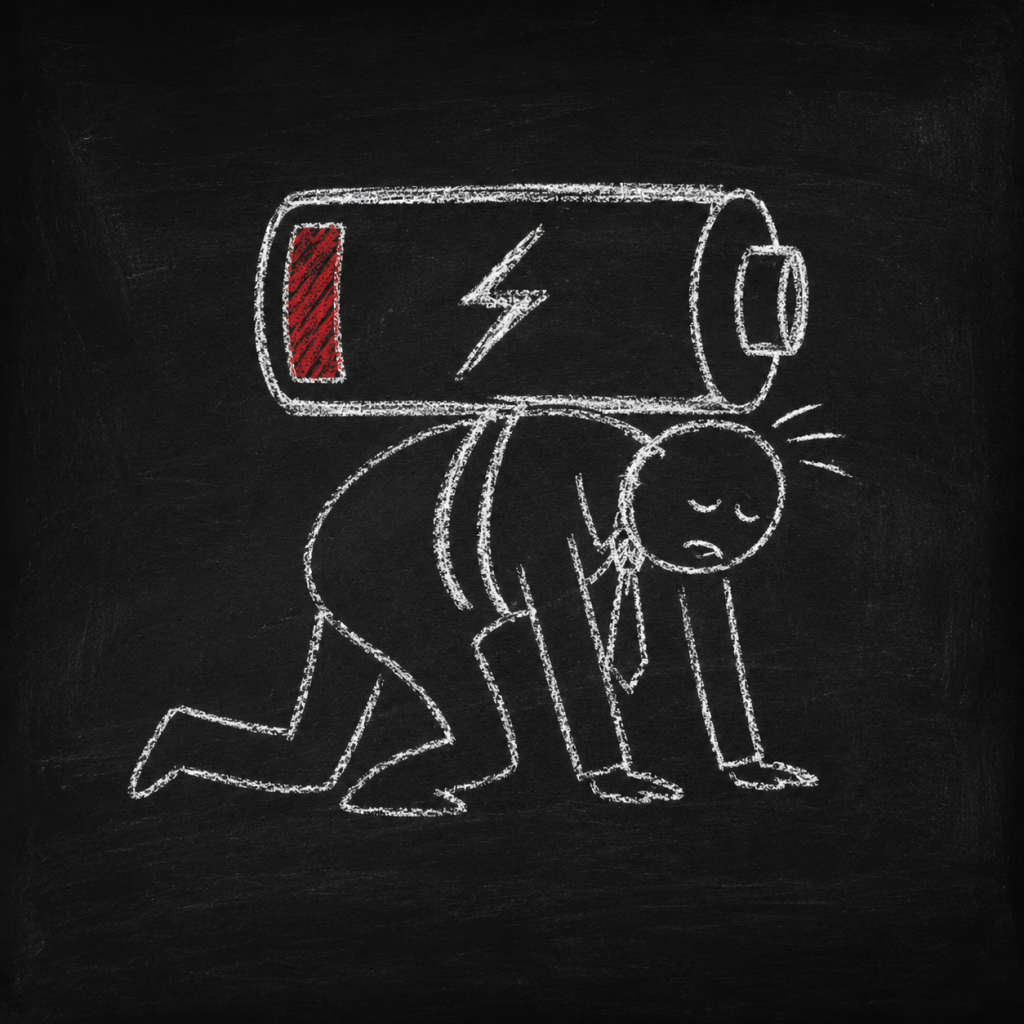
You find gaps in what you know, make mistakes, or trust the wrong people. You might undercharge, miss warning signs, or say yes when saying no feels too risky.
This can be humbling, but humility isn’t the same as defeat.
The moment we accept that we don’t have to know everything, we become more willing to learn, ask for help, and build support where we need it most. Pride says we should handle it all, but experience reminds us that this leads to burnout and forgotten passwords. Limits are not proof that we are unsuited to business; they are information. They change our relationship with failure.
Failure in business can be complicated. Some mistakes cost money or cause embarrassment. Some are so avoidable that you think about them for years, usually when you’re trying to sleep.
But most failures aren’t the end—they just lead to adjustments.
You might change your prices, rewrite a contract, improve a process, stop offering a service, or finally admit that a certain client isn’t worth the stress they bring.
The business teaches that resilience isn’t about pretending setbacks don’t hurt. It’s about letting them hurt, learning from them, and not staying stuck in disappointment.
You become less afraid of mistakes because you know you’ve bounced back before. It also makes you think about what you truly stand for.
Values are easy to discuss when they cost nothing.
The toughest moments come when doing the right thing might mean losing revenue, upsetting a client, turning down an opportunity, or saying no to work when money is tight.
That’s when principles stop being branding language and become choices.
Every business owner eventually faces a line they have to decide whether to cross. Sometimes it’s clear, but more often it’s a grey area where nothing is certain; the money would help, and only your discomfort stands out.

Those decisions shape the business, but they shape us too.
They show what we’re willing to compromise, what we want to protect, and whether our idea of success includes being proud of how we got there.
Money and survival matter, but so does the kind of person you become while earning it. The business also teaches us to see small wins in a new way.
We’re encouraged to celebrate big milestones.
There’s the new office, the big contract, the record month, or the expansion photo with people looking purposeful by a glass wall. But small-business life is usually less glamorous.
Sometimes a win is just a client paying on time or solving a problem that used to overwhelm you. It could be a kind message, making payroll, improving a process, or finishing a tough month without losing your sense of humour.
These things might seem small to others, but they aren’t.
Small wins show that the business is still moving forward, even when progress is slow and no one notices. They help you see growth in quieter ways, since not all progress comes with a celebration.
Building a business can feel lonely, even if you’re surrounded by people.
Not everyone understands the constant mental calculations, the responsibility, or how your mind keeps working long after you’ve stopped for the day.
Some people support you when things look good, while others stick around even when it’s hard, uncertain, or taking longer than planned. You learn who’s who.
You also learn that support isn’t always dramatic. It might be someone who listens without trying to fix things, a client who gives you extra time, a colleague who helps before you ask, or someone who reminds you that you’re more than your current problem.
The business may show you who your people are.
It may also teach you how to become that person for someone else.

You Are More Than the Numbers
There will always be another target.
More revenue. Better margins. More reach. Fewer problems. Maybe even a calmer month, though that one is always a stretch.
Numbers matter because the business must survive. But they don’t tell the full story.
They can’t measure the patience you’ve built, the courage it took to keep going, the conversations you now handle better, or the boundaries you finally learned to set.
They also don’t show how many times you adapted when your original plan didn’t work.
The business may not yet be where you hoped it would be.
But maybe you’re not the same person who started it, either.
Growth Happens in Both Directions
A business can give you income, opportunities, and independence. It can also help you build judgement, resilience, humility, and a better sense of what really matters.
This doesn’t mean that struggle is always noble or that exhaustion proves commitment. Sometimes things are just too hard, and resting, making changes, or even walking away might be the smartest choice.
But when you look back, you may find that the business gave you more than a product, service, or livelihood.
It gave you a place to grow and become who you are.
So yes, keep asking whether the business is growing.
Check the figures. Review the plans. Make the changes.
Then ask one more question:
Who are you becoming while you build it?
Because while you’ve been working hard to build your business, it’s been shaping you too.